Pediatrician · Scientist · Activist · Author
I'm a pediatrician, public health advocate, and author dedicated to fighting for the health and well-being of children everywhere — starting in Flint, Michigan.
About
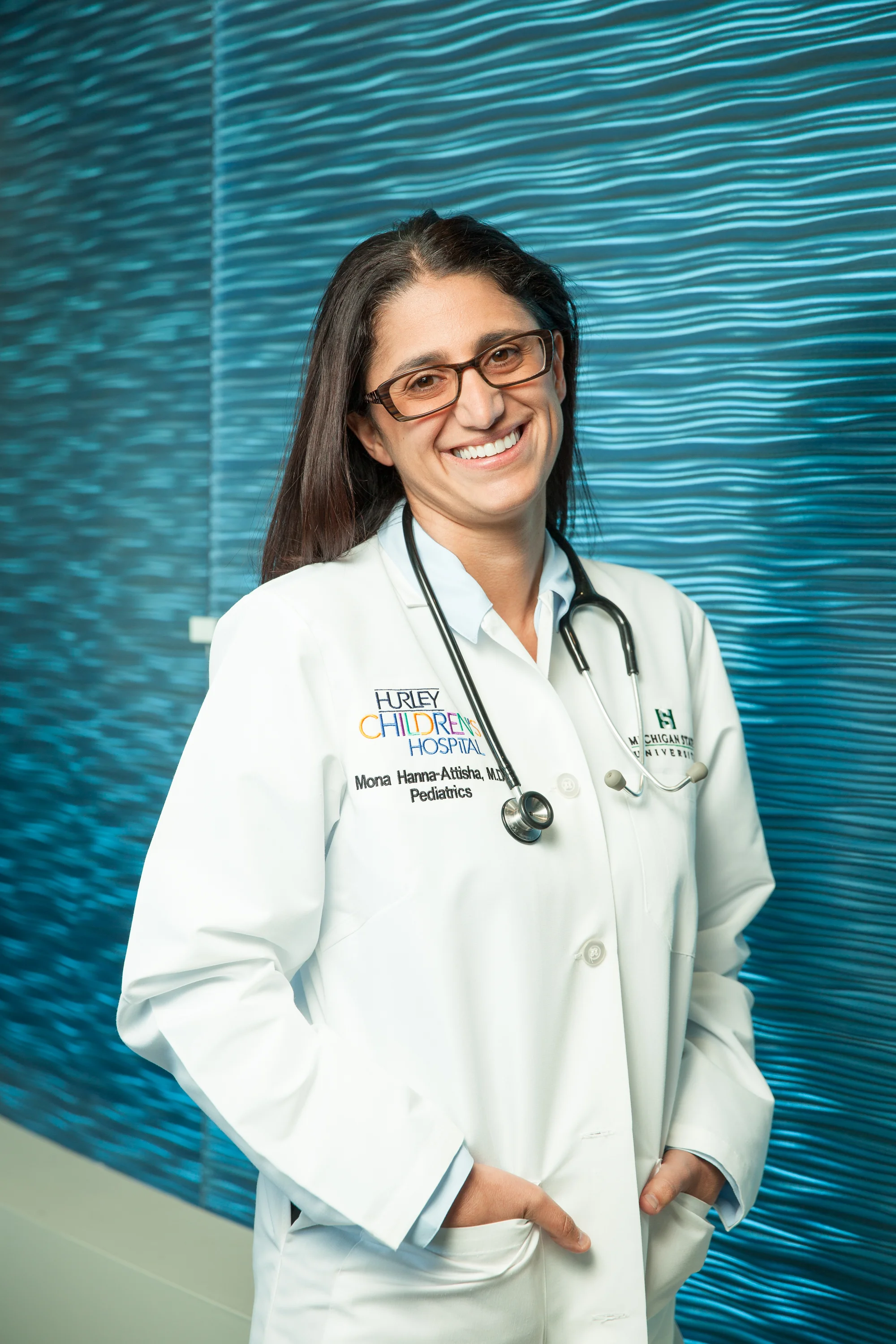
I am the Associate Dean for Public Health and the C. S. Mott Endowed Professor of Public Health at Michigan State University College of Human Medicine. I am the founding director of the Pediatric Public Health Initiative, an innovative partnership of MSC and Hurley Children's Hospital in Flint, Michigan.
A pediatrician, scientist, activist, and author, I was named one of Time magazine's 100 Most Influential People in the World and recognized as one of USA Today's Women of the Century for my role in uncovering the Flint water crisis and leading recovery efforts.
I have testified multiple times before the United States Congress, lectured at dozens of colleges and universities, and frequently contribute to national media outlets championing the cause of children in Flint and beyond.
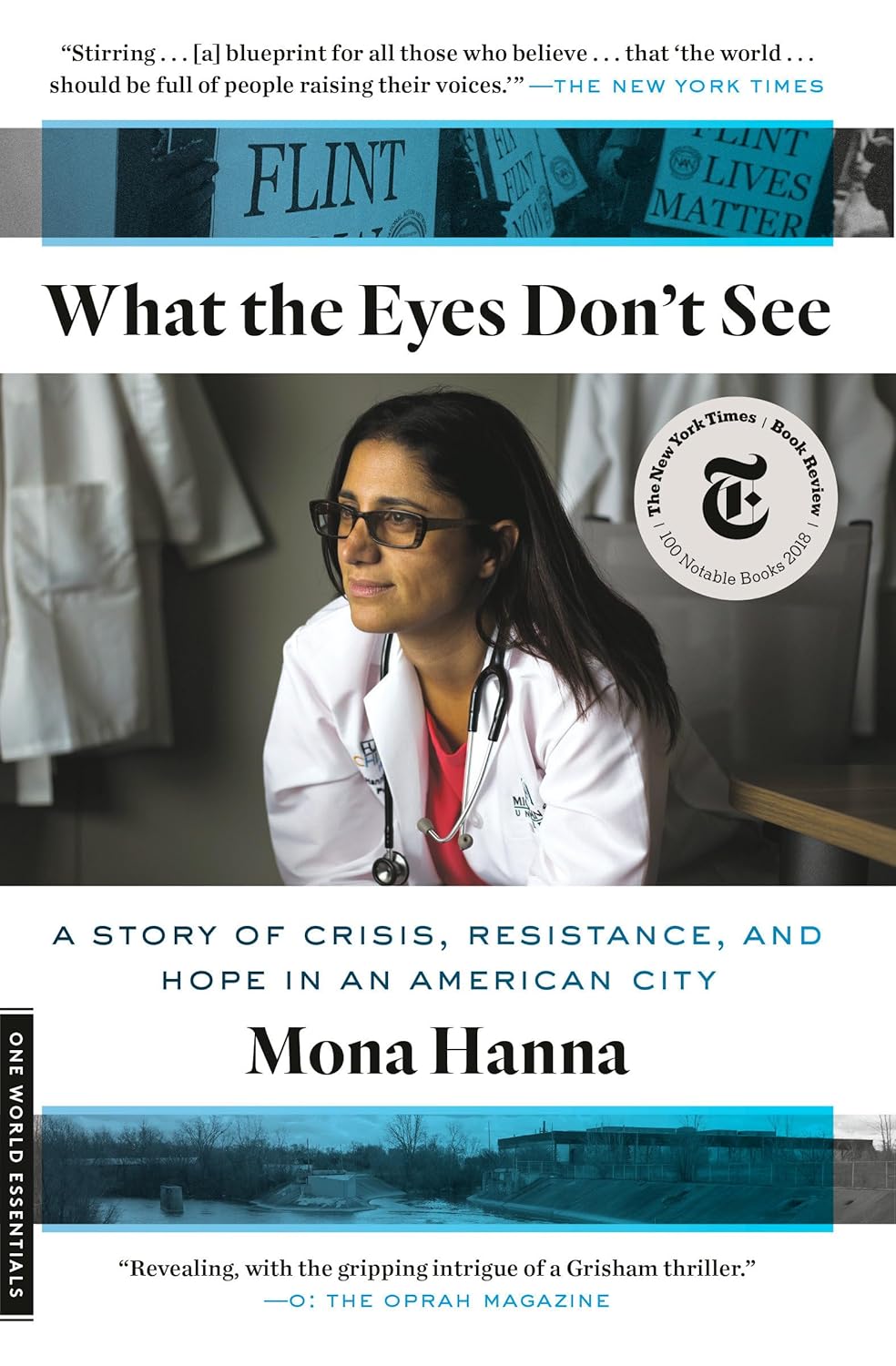
I am the author of the widely acclaimed and New York Times best-selling book, What the Eyes Don't See: A Story of Crisis, Resistance, and Hope in an American City.
With concentrations in environmental health and health policy, I received my bachelor's degree and Master of Public Health degree from the University of Michigan. I completed my medical degree from Michigan State University College of Human Medicine and my residency and chief residency at Children's Hospital of Michigan in Detroit.
My Book
An Official Selection of The New York Times Book Review for '100 Notable Books of 2018'
By the crusading pediatrician who brought the fight for justice in Flint to the national spotlight, What the Eyes Don't See is a powerful first-hand account of the Flint water crisis, the signature environmental disaster of our time, and a riveting narrative of personal advocacy.
Here is the dramatic story of how I used science to prove Flint kids were exposed to lead, and how I courageously went public with my research and faced a brutal backlash. With persistence and single-minded sense of mission, I spoke truth to power. The book explores the horrific reality of how misguided austerity policies and callous bureaucratic indifference placed an entire city at risk.
A medical and scientific thriller, the book grapples with our country's history of environmental injustice while telling my inspiring personal story — an immigrant, a doctor, and a scientist — whose family roots in social justice activism helped me turn the Flint crisis around.
"Gripping … entertaining … this book has great potency because she takes us through her personal discovery of the crisis."
— The New York Times
"It is one thing to case out a problem. It is another thing altogether to step up and work to fix it. Mona Hanna-Attisha is a true American hero."
— Erin Brockovich
"This is a public health disaster. But it was Dr. Mona, this naïve, tough, committed, visionary pediatrician, who made sure the effects of lead exposure would be blunted by this city becoming a citadel of hope."
— Abraham Verghese
"To shorten it to a list of pluses? … there's the writing, clear and energetic … the details of how governments can fail us … the encouragement."
— The Washington Post
Founded & Directed by Dr. Mona
I founded RxKids — the nation's first community-wide prenatal and infant cash prescription program — because I believe that addressing poverty is healthcare.
$1,500
Unconditional cash prescribed to every pregnant woman in participating communities.
$500/mo
Monthly cash prescriptions for babies during the most critical developmental period.
100%
Families decide how to use the funds. Healthcare providers prescribe the cash as part of holistic care.
18%
Drop in Preterm Births
91%
Fewer Evictions
$6.2M
Healthcare Savings
3,600+
Families Served
What started in Flint is now expanding across the state. Michigan has committed $270 million to bring RxKids to communities statewide — making it the largest program of its kind in the nation.
We're now in 11 communities, and over the next three years, we expect to reach nearly 100,000 babies — approximately one-third of all births in Michigan.
In partnership with Michigan State University, University of Michigan Poverty Solutions, and GiveDirectly.